
 Save
Save
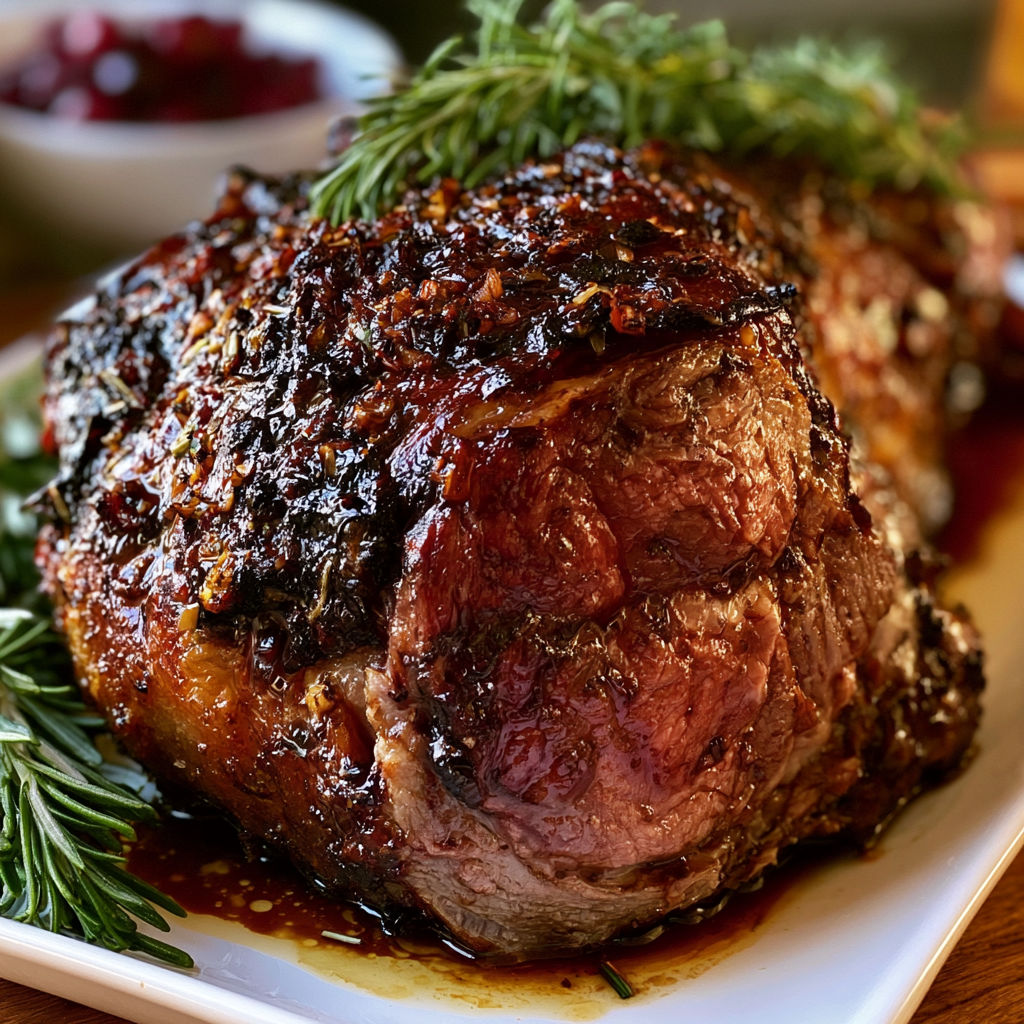
Few meals make a gathering feel as special as a slow-roasted leg of lamb perfumed with garlic and rosemary. This recipe captures that familiar Sunday warmth and highlights a method that turns a humble cut into a true centerpiece. The gentle roasting temperature delivers meat that is both juicy and deeply flavored, while a red wine jus ties it all together beautifully for any occasion.
The first time I prepared this roast, my guests kept returning to the kitchen, curious about the rich scents wafting through the house. Bringing it to the table always earns quiet applause.
Ingredients
- Leg of lamb: Either bone-in or boneless; look for bright-red color with minimal odors for best results
- Fresh garlic: Brings depth and subtle sweetness; slice or mince for more pronounced flavor
- Fresh rosemary: Packs the essential herb note; choose sprigs with deep green leaves
- Extra virgin olive oil: Helps the flavors sink in; go for a fruity variety if you can
- Dry red wine: Select a medium-bodied style like Merlot or Cabernet that you would enjoy sipping
- Beef or lamb stock: Forms the backbone of the jus; homemade or low-sodium store-bought works
- Unsalted butter: Stirs in richness at the end for that classic French gloss; use European-style if possible
- Thyme: Offers another aromatic dimension; fresh sprigs will infuse more evenly than dried
- Salt and freshly ground black pepper: Lift all the flavors; bring out the best taste with flaky salt and cracked pepper
Instructions
- Prepare the Lamb:
- Take the leg of lamb out of the refrigerator about half an hour before roasting. This helps it cook evenly and relaxes the muscle fibers.
- Mix the Herb Rub:
- In a mixing bowl, stir together the garlic, rosemary, olive oil, salt, and pepper. Mash into a fragrant paste that will coat every inch of the lamb.
- Score and Massage:
- With a sharp knife, make shallow crosshatch cuts all over the lamb. These channels catch the herbs and seasonings. Massage the garlic-rosemary mixture thoroughly into the cuts and over the surface of the meat.
- Arrange for Roasting:
- Scatter fresh thyme sprigs under and around the meat. Place the lamb on a rack inside the roasting pan for air circulation. The rack keeps the bottom from steaming.
- Slow-Roast:
- Set your oven to a steady low temperature of 275 degrees Fahrenheit. Slide the lamb into the oven. Insert a meat thermometer into the thickest area without touching bone. Roast for about three to three and a half hours. Watch for the temperature to reach 135 degrees for medium-rare with blush in the center.
- Rest the Meat:
- Once roasted, tent the lamb loosely with foil. This short rest time, twenty to thirty minutes, locks in the juices, making each slice more succulent.
- Prepare the Jus:
- Carefully tip off any excess fat from the pan. Place the pan over medium heat on your stovetop. Add red wine and stock. Use a wooden spoon to scrape up the caramelized bits. Simmer to reduce the liquid by half for maximum flavor.
- Finish and Serve:
- Whisk in unsalted butter for richness and taste for seasoning. Carve the lamb across the grain into thick slices. Pour the jus over the platter or serve on the side for dipping.
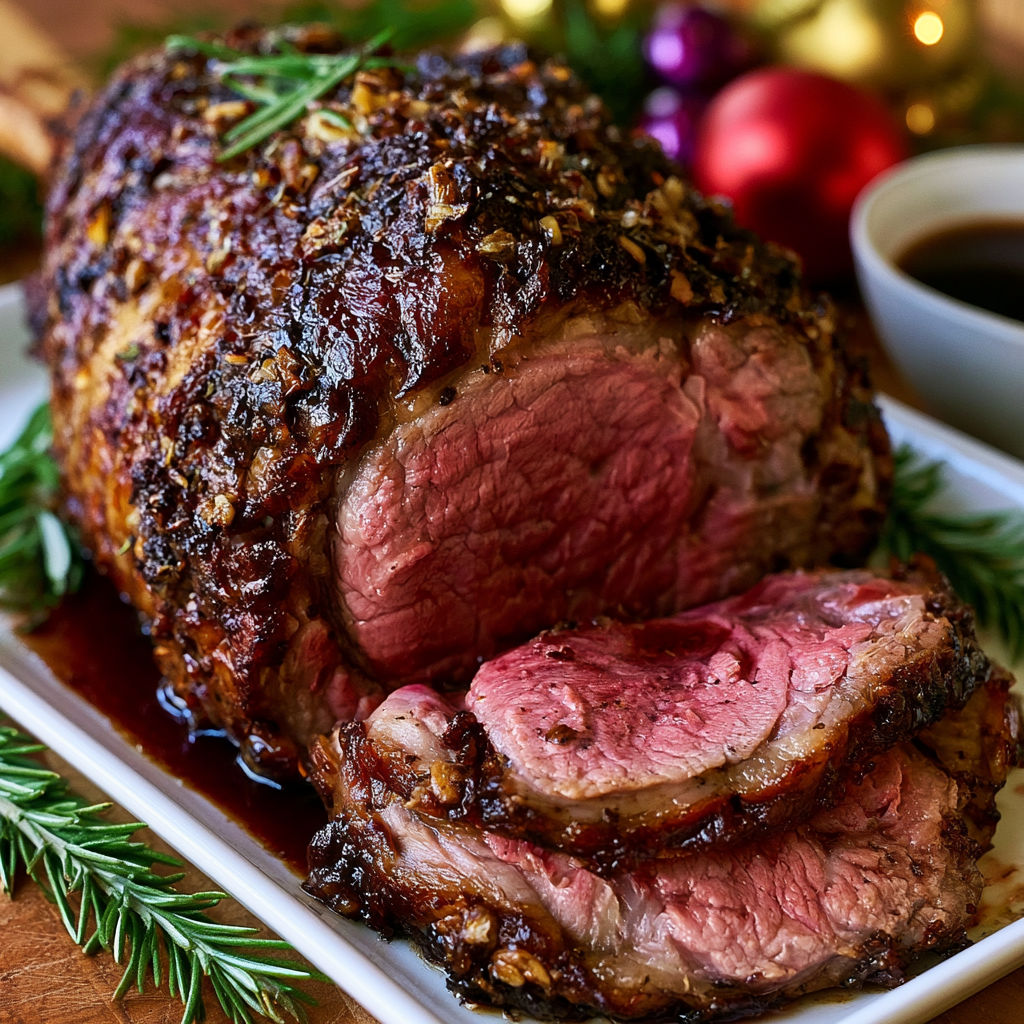
My favorite part is scraping up those sticky dark bits from the roasting pan after the lamb comes out. It makes the jus utterly delicious and always reminds me of helping my grandmother in her sunlit kitchen as a child. I still never skip the fresh rosemary because its fragrance signals something special is about to happen.
Storage and Leftover Tips
Let any leftovers cool to room temperature before packing into airtight containers. For the best texture, slice only what you plan to eat, then rewarm gently with a splash of stock or water to keep the meat moist. This dish makes unbeatable sandwiches or can be flaked into pasta sauce for a quick meal.
Easy Ingredient Swaps
If lamb is scarce, try this same slow roasting method with a pork shoulder or beef chuck roast. Instead of red wine, white wine with a splash of balsamic vinegar can offer a brighter jus. Oregano or marjoram work as a substitute if you are out of rosemary.
Perfect Ways to Serve This
I love pairing this roast with roasted root vegetables and creamy mashed potatoes. For lighter fare, a salad of arugula with lemon and feta is a wonderful side. A spoonful of the red wine jus over couscous soaks in all that savory flavor.
The Story Behind This Recipe
This method was born out of necessity one year when my oven broke on a holiday and I had only a small countertop one. The slow and low approach saved the day and resulted in the softest lamb I had ever carved. It soon became tradition.
Adapting for Every Season
In spring, I swap rosemary for fresh mint and add baby carrots in the roasting pan. Summers call for serving with a salad and grilled asparagus. For colder months, root vegetables nestled around the lamb are a must.
A Few Helpful Notes
Letting the meat fully rest after roasting is worth the patience. Insert your thermometer from the side for a more accurate read. Keep extra jus handy for reheating meat without it drying out.
What People Are Saying
No matter who sits at your table, this lamb gets rave reviews. My own family now requests it for every major dinner, and friends leave asking for the step by step.
Freezer Meal Conversion
This roast also freezes beautifully. Once fully cooled, slice and freeze portions in zip top bags with some jus to keep the flavor vibrant. Just thaw in the fridge and gently reheat for a meal that tastes freshly made.
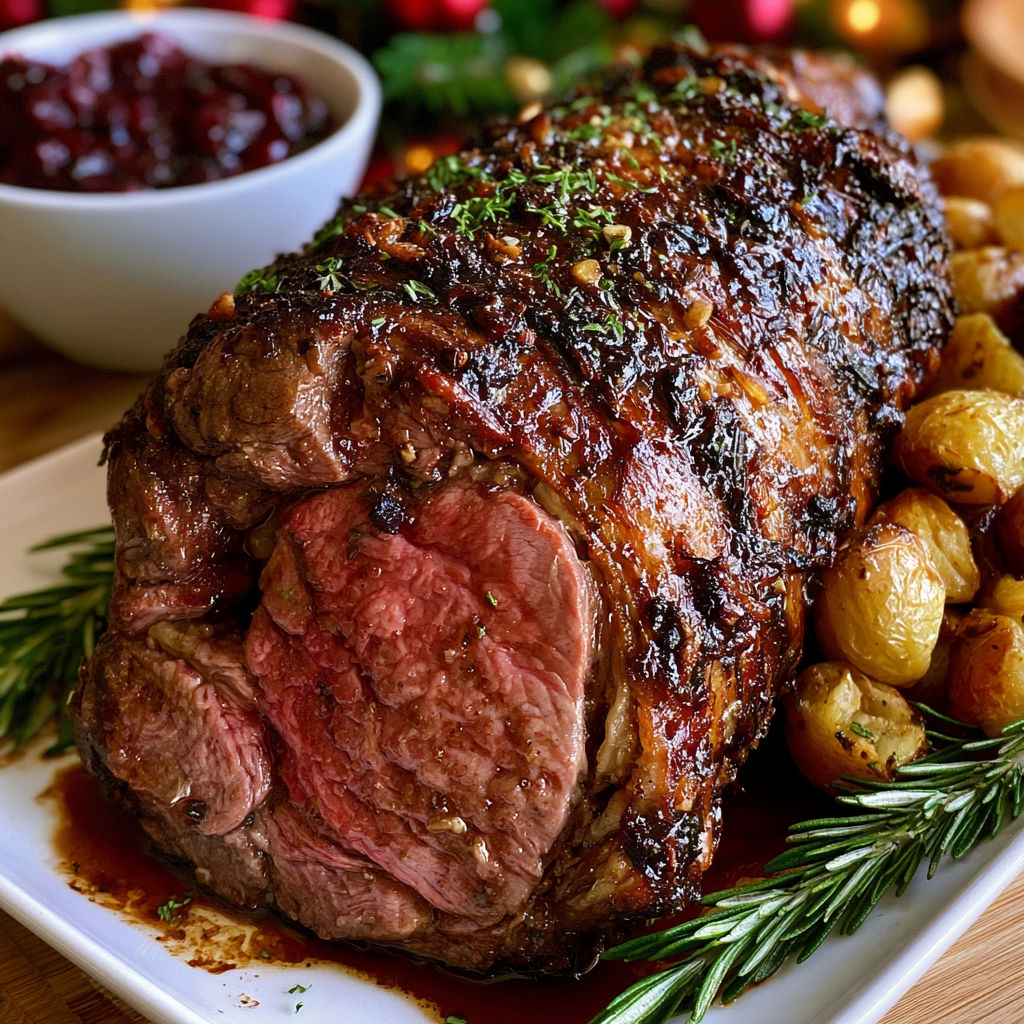
A slow roasted leg of lamb like this has a way of bringing everyone a little closer and the aroma alone sets the mood for a memorable meal. I hope you find joy in each step and the same warmth at your table.
Recipe Q&A
- → How do I keep slow-roasted lamb juicy?
Allow the lamb to come to room temperature before roasting and rest it after cooking so the juices redistribute, ensuring a moist result.
- → Which wine pairs best with this lamb?
Medium-bodied reds like Merlot or Cabernet Sauvignon balance the roast’s richness and enhance the flavors of the jus.
- → Can I use dried herbs instead of fresh?
Yes, but fresh rosemary and thyme provide brighter, more aromatic flavors. If using dried, use about a third of the amount.
- → Should I use bone-in or boneless lamb?
Both are suitable, but bone-in enhances flavor and presentation, while boneless may cook more evenly and is easier to carve.
- → How can I tell if the lamb is done?
Use a meat thermometer to check for medium-rare, aiming for 135°F (57°C) at the thickest part for best texture and juiciness.
- → What sides complement slow-roasted lamb?
Roasted potatoes, spring vegetables, and a crisp salad are classic accompaniments to balance the richness of the lamb.